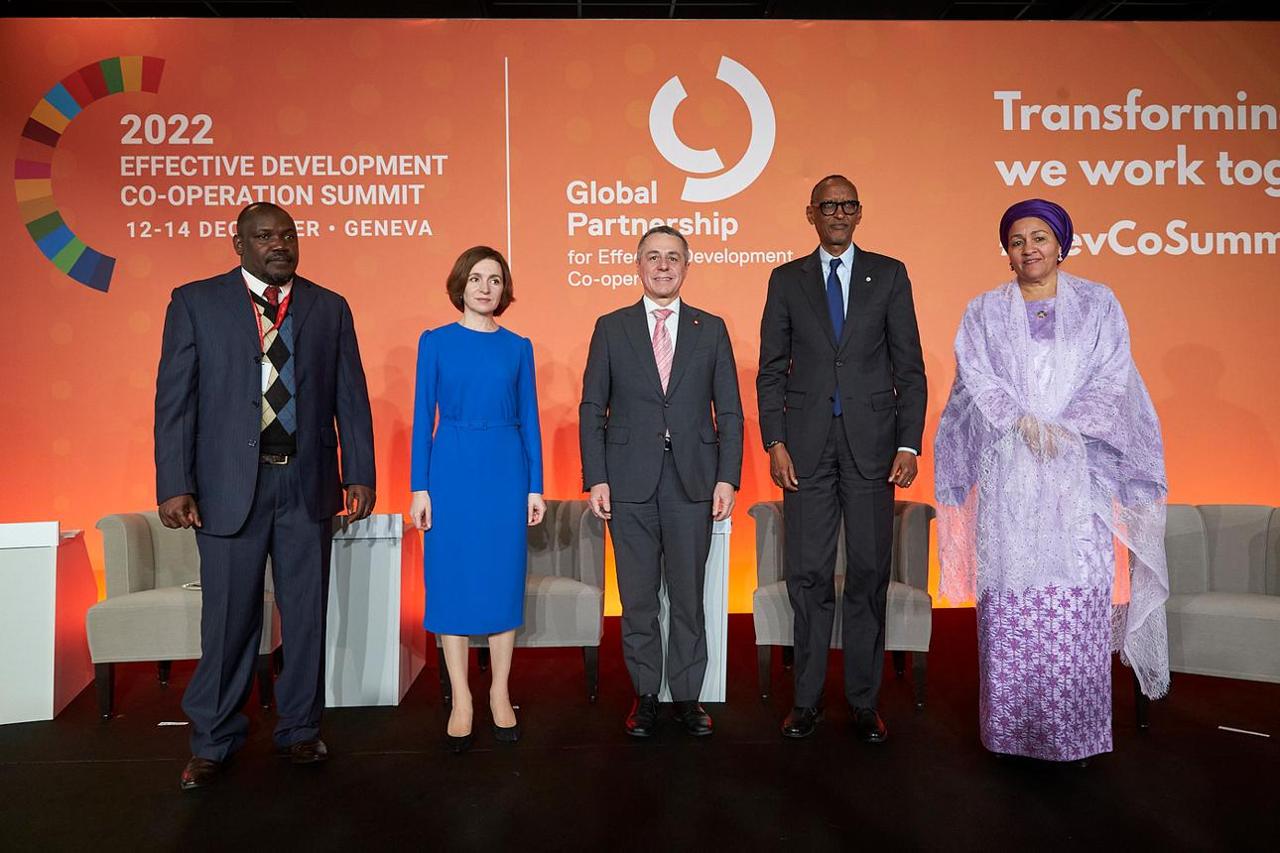
As the world confronts increasingly complex challenges—from climate change and food insecurity to economic inequality and technological disruption—a new era of global development partnerships is emerging. Governments, international organizations, civil society groups, philanthropic foundations, and private-sector leaders are working together in ways that were far less common just a decade ago. These partnerships are redefining how development is financed, implemented, and measured, creating opportunities for more inclusive and sustainable progress across regions.
Traditional development models often relied heavily on donor-recipient relationships, where wealthier nations provided financial assistance to developing countries. While these mechanisms remain important, the landscape is evolving rapidly. Today's partnerships emphasize collaboration, shared responsibility, and local ownership. Development actors increasingly recognize that sustainable solutions must be designed with communities rather than for them.
One of the most significant trends driving this shift is the growing importance of locally led development. Communities, local governments, and grassroots organizations are playing a larger role in shaping priorities and directing resources. This approach helps ensure that projects reflect local realities, cultural contexts, and long-term needs. By empowering local stakeholders, development initiatives can achieve greater effectiveness and lasting impact.
The private sector has also become a key partner in advancing development goals. Businesses are contributing not only financial resources but also expertise, technology, and innovation. From expanding digital connectivity to supporting renewable energy projects, companies are helping accelerate progress in areas that directly affect economic growth and social well-being. Public-private partnerships are increasingly viewed as essential tools for addressing challenges that no single institution can solve alone.
Climate action has become another major catalyst for collaboration. Developing countries often face the greatest risks from climate change despite contributing the least to global emissions. New partnerships are mobilizing finance, technical assistance, and knowledge-sharing to support climate resilience, clean energy transitions, and sustainable infrastructure. These efforts demonstrate how coordinated action can generate benefits that extend beyond national borders.
Digital transformation is further reshaping development cooperation. Advances in technology enable organizations to share information more efficiently, monitor project outcomes in real time, and expand access to education, healthcare, and financial services. Cross-sector partnerships are helping bridge digital divides while ensuring that technological innovation contributes to inclusive development rather than widening existing inequalities.
International institutions continue to play a vital role in fostering dialogue and coordination among stakeholders. By bringing together diverse voices and perspectives, development networks help identify common priorities, share best practices, and strengthen collective action. Such collaboration is particularly important at a time when global challenges are increasingly interconnected and require coordinated responses.
Looking ahead, the success of global development efforts will depend on the ability of partners to build trust, maintain transparency, and focus on shared outcomes. Strong partnerships create opportunities to leverage resources more effectively, scale successful solutions, and ensure that development initiatives are responsive to the needs of the people they serve.
The momentum behind these new development partnerships reflects a growing recognition that sustainable progress is a collective endeavor. By combining expertise, resources, and local knowledge, stakeholders around the world are building a more collaborative framework for addressing the challenges of the twenty-first century and advancing a more equitable and resilient future for all.